
Blepharitis
Blepharitis is a common condition that causes inflammation of the eyelids. While it can be uncomfortable and persistent, with the right advice and daily management routine it can be effectively controlled. At Family Eyecare, we can help diagnose the condition and guide you through the best treatment options.
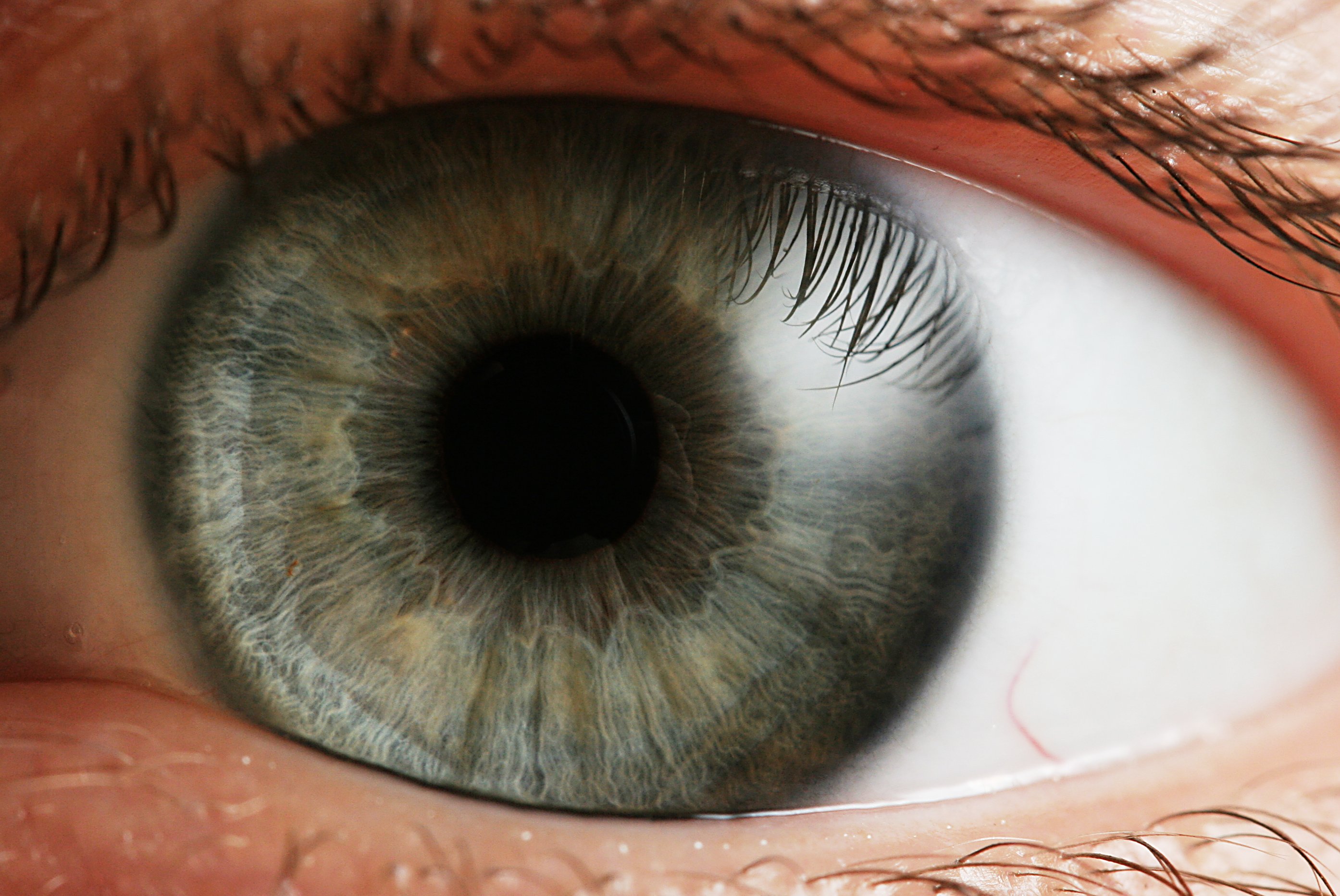
What is Blepharitis?
Blepharitis is an inflammation of the eyelid margins, where the eyelashes grow. It is usually caused by a build-up of bacteria or problems with the oil glands at the base of the eyelashes. The condition is very common and can affect people of all ages.
There are two main types: anterior blepharitis, which affects the outside front of the eyelid where the eyelashes are attached, and posterior blepharitis, which is linked to dysfunction of the meibomian (oil) glands within the eyelids.
Although blepharitis is a chronic condition that tends to recur, it is not sight-threatening and can be managed effectively with a consistent daily routine.
Common Symptoms
Managing Blepharitis
While there is no outright cure for blepharitis, a consistent daily eyelid hygiene routine can keep symptoms under control and prevent flare-ups.
Warm Compresses
Apply a warm compress to closed eyelids for 5-10 minutes to soften crusts and loosen blocked oil in the glands. Use a clean flannel or a specially designed heated eye mask.
Lid Massage
After warming, gently massage the eyelids towards the lashes to help express blocked oils from the meibomian glands. Your optometrist can demonstrate the correct technique.
Lid Cleaning
Clean the eyelid margins daily using a dedicated lid cleaning solution or diluted baby shampoo on a cotton bud. This removes debris and reduces bacterial build-up.
Consistent Routine
Blepharitis management requires consistency. Perform the warm compress, massage and cleaning routine once or twice daily, even when symptoms improve.
Lubricating Drops
Artificial tear drops can help relieve the dry, gritty sensation associated with blepharitis. Preservative-free drops are recommended for frequent use.
When to Seek Help
If symptoms persist despite good eyelid hygiene, or if you develop a painful lump on your eyelid, book an appointment so we can assess and advise on further treatment.
How We Can Help
At Family Eyecare, our optometrists can examine your eyelids, confirm the diagnosis and recommend the most appropriate management plan for your specific type of blepharitis.
Concerned about blepharitis? Regular eye tests can detect problems early. Book an eye test and speak to our team.
Concerned About Blepharitis?
If you are experiencing sore, red or irritated eyelids, book an appointment and let our team advise on the best course of action.