
Glaucoma
Glaucoma is a group of eye conditions that damage the optic nerve, the vital connection between your eye and your brain. It's one of the leading causes of irreversible blindness worldwide, but with early detection through regular eye tests, it can be managed effectively to preserve your sight.
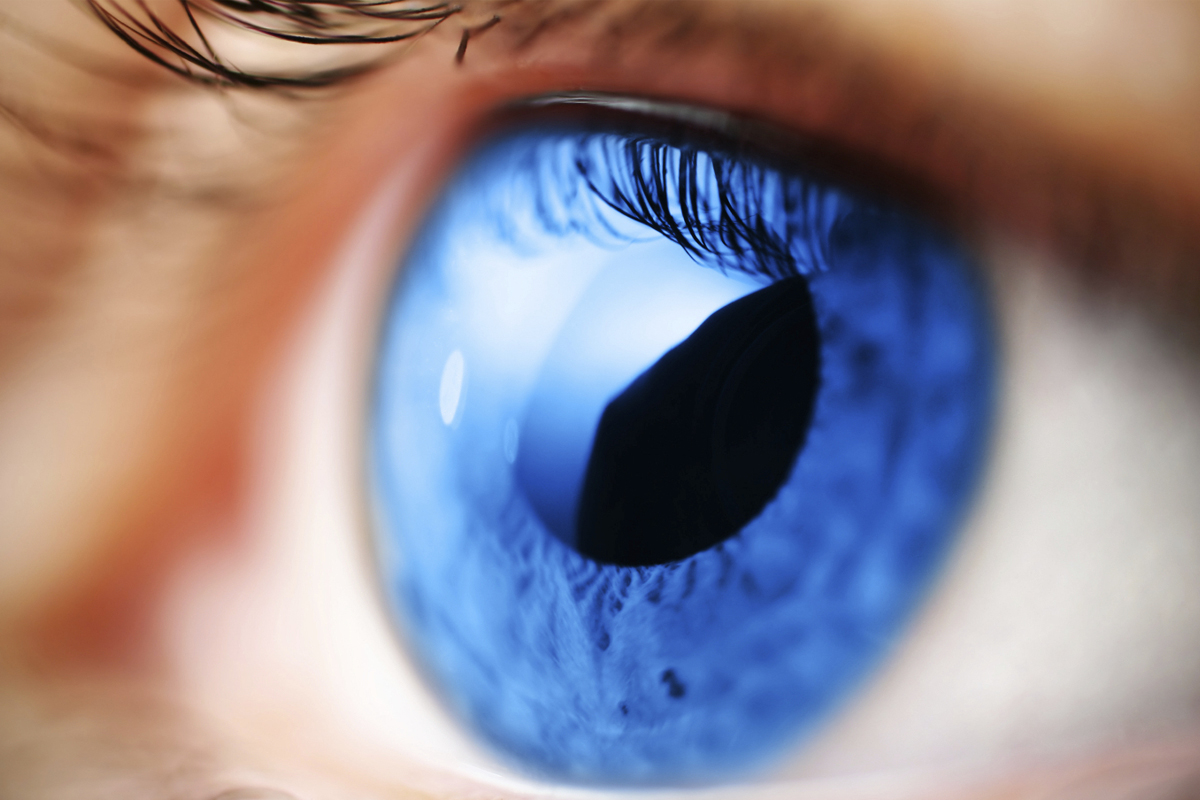
What is Glaucoma?
Glaucoma occurs when the fluid pressure inside your eye rises to a level that damages the optic nerve. This nerve carries visual information from your eye to your brain, and once damaged, the vision loss cannot be reversed.
The condition usually develops slowly over many years. Most people don't notice any symptoms in the early stages because it typically affects peripheral (side) vision first. By the time central vision is affected, significant and irreversible damage has already occurred.
Important: Glaucoma often has no symptoms in its early stages. Regular eye tests are the only reliable way to detect it early, when treatment is most effective.
Types of Glaucoma
Open-Angle Glaucoma
The most common form. The drainage channels in your eye become gradually blocked over time, causing pressure to build up slowly. It develops very gradually and painlessly, making it difficult to detect without proper testing.
Closed-Angle Glaucoma
Less common but more sudden. The drainage angle between the iris and cornea becomes completely blocked, causing a rapid increase in eye pressure. This can cause severe eye pain, headache, nausea and blurred vision, and requires urgent medical attention.
Risk Factors
While anyone can develop glaucoma, some people are at higher risk. Understanding your risk factors helps you know when to get tested.
Age
Glaucoma becomes more common with age, particularly after 40. The risk increases significantly over 60.
Family History
If you have a close relative (parent or sibling) with glaucoma, your risk is significantly higher.
Ethnicity
People of African-Caribbean descent are at higher risk of open-angle glaucoma. People of East Asian descent have higher risk of closed-angle glaucoma.
Other Factors
High myopia (short-sightedness), diabetes, high blood pressure and previous eye injuries can all increase risk.
How We Detect Glaucoma
During your eye examination, we carry out several tests that can detect signs of glaucoma, often years before you would notice any symptoms yourself.
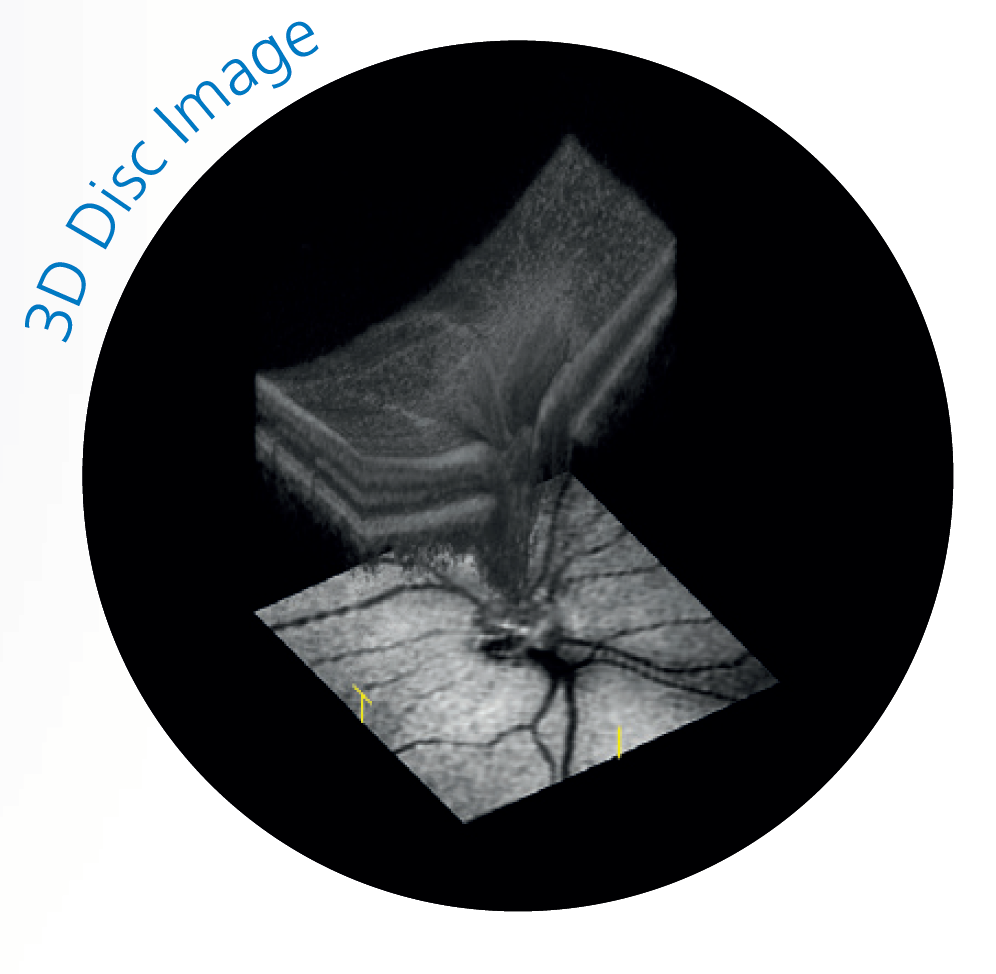
3D Optic Disc Scan
Our OCT scanner creates detailed 3D images of your optic nerve, allowing us to detect the earliest signs of glaucoma damage.
Treatment Options
While glaucoma damage cannot be reversed, treatment can effectively halt or slow further progression. The earlier it's detected, the more vision can be preserved.
Eye Drops
The most common treatment. Prescription eye drops reduce eye pressure by either decreasing the amount of fluid your eye produces or improving its drainage.
Laser Treatment
Laser procedures can improve drainage in the eye. This is often used alongside or instead of eye drops, and is carried out at hospital eye departments.
Surgery
In more advanced cases, surgical procedures can create new drainage pathways. If we detect signs of glaucoma, we will refer you to a specialist for the most appropriate treatment.
Concerned about glaucoma? Regular eye tests can detect problems early. Book an eye test and speak to our team.
Book an Eye Test
Regular eye tests are the best way to protect yourself from glaucoma. If you're over 40 or have a family history, it's especially important to be checked regularly.